Your home may have a beautifully remodeled kitchen, a spa-like primary bathroom, and all the storage space you could dream of… yet something may still feel unfinished. The missing piece could be waiting right outside your back door.
Well-planned outdoor spaces extend the comfort and personality of a home beyond its four walls. The right improvements can create places to entertain, relax, cook, and simply enjoy some fresh air without sacrificing the property & polished appearance. For homeowners ready to make their entire properties feel more cohesive, these outdoor features that make a home feel complete are worth considering.
A Patio That Feels Like Part of the House
A patio is much more useful when it feels like a true extension of the home. Its size, shape, materials, and location should make sense alongside the home's architecture and the way the household actually spends time outdoors. Think about the transition from inside to outside—a patio positioned just beyond a kitchen or living room can make entertaining much easier. You might also create a spacious dining area for weekend dinners, a lounge area for evening conversations, or separate zones for cooking and entertaining.
Architectural details and materials can help tie everything together. Coordinating the patio material with the home's exterior, repeating colors or finishes used indoors, or adding built-in seating and low walls can make the transition feel intentional. Homeowners planning a new patio may want to compare pavers versus poured concrete based on appearance, maintenance expectations, drainage, site conditions, and their homes’ overall character. Rather than treating the patio surface as an afterthought, consider it part of the property's larger design.
Comfortable Covered Living Space
Mother Nature isn’t particularly interested in your Saturday afternoon plans. A blazing sun or surprise rain shower can quickly clear an uncovered patio. Adding a roof extension, a pavilion, a pergola, or another covered structure makes an outdoor area more dependable throughout the year.
Ceiling fans can make covered areas more comfortable during warm weather, while integrated electrical outlets provide flexibility for lighting, televisions, speakers, and other conveniences. Depending on the climate, homeowners might also consider outdoor heaters for cooler evenings. The result is a space that functions more like another room of the house.
An Outdoor Kitchen Designed for Entertaining
Dragging trays, utensils, condiments, and drinks back and forth through the house gets old quickly. For homeowners who regularly entertain, an outdoor kitchen can eliminate much of that traffic.
The setup doesn’t necessarily need every appliance you’ll find indoors. Instead, prioritize features based on how the household entertains. A built-in grill, counter space, storage cabinets, sink, refrigerator, or beverage cooler can create an efficient cooking and serving area.
Outdoor Lighting That Does More Than Look Pretty
A thoughtful lighting plan can make an outdoor space safer, more inviting, and usable for longer periods, turning it into a true backyard oasis. Start with lighting around practical areas such as steps, pathways, entry points, and cooking areas. From there, layered lighting can create atmosphere around patios, architectural features, and seating areas.
Avoid relying on one extremely bright fixture to illuminate everything. Multiple strategically placed lights generally create a softer, more polished effect while helping people safely navigate the property.
A Fire Feature for Cooler Evenings
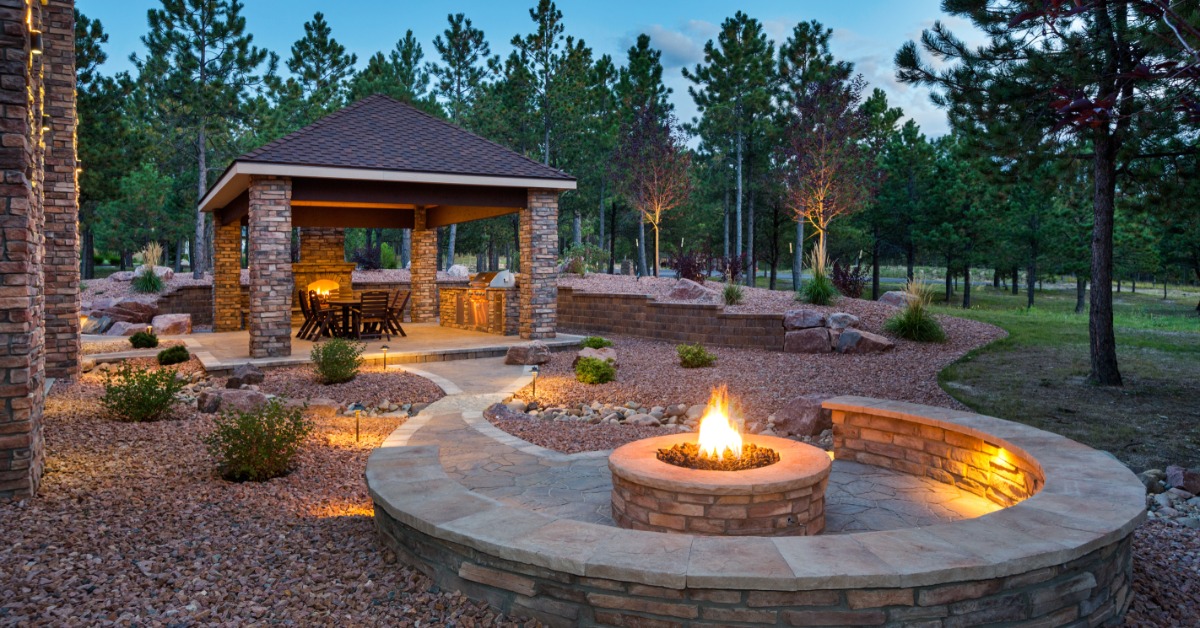
There’s just something about a fire that convinces everyone to stay outside for another hour. A built-in fire pit or outdoor fireplace can create a natural gathering point while making an outdoor living area more comfortable during cooler weather.
The style should complement that of the rest of the property. A sleek linear fireplace can suit a contemporary home, while stone or masonry may work beautifully with more traditional architecture.
Before construction begins, consider local codes, fuel sources, ventilation, clearances, and surrounding materials. Professional planning is especially important when gas lines or permanent structures are involved.
Then comes the most difficult part: deciding who gets the seat closest to the fire.
Walkways That Connect Outdoor Spaces
A great patio loses some of its magic when reaching it requires an awkward trek across the property. Defined walkways help outdoor spaces feel connected and intentional. Paths can link the driveway, side entrance, patio, pool, detached garage, guesthouse, or other frequently used areas. Consistent materials and design details can also make separate improvements feel like parts of one coordinated project.
Good walkway design considers more than appearance. Width, slope, drainage, surface traction, and lighting all influence how comfortably people can move around the property. These details become especially important for families planning to remain in their homes long-term and wanting outdoor areas that will remain accessible as their needs change.
A Pool Area With Room To Actually Relax
For households that spend much of their summers outdoors, treating the pool deck as a full living space can dramatically improve how the area functions. Ample hardscaping gives homeowners room to place loungers, umbrellas, and tables around their pool. Shade structures can provide relief during the hottest part of the afternoon, while nearby storage prevents towels, pool equipment, and accessories from taking over the patio.
Privacy should also factor into your pool area’s design. Fencing, walls, or privacy screens can make the area feel more secluded without closing it off completely.
Built-In Storage That Hides the Clutter
Outdoor spaces can accumulate stuff with impressive speed. Furniture cushions, sports equipment, pool supplies, grilling tools, and seasonal accessories all need somewhere to go. Permanent storage—such as weather-resistant cabinetry, storage benches, a dedicated pool-equipment enclosure, or a detached storage structure—can keep those necessities accessible without allowing them to dominate the view.
A Finished Space for Everyday Life
The best outdoor upgrades aren’t necessarily the biggest or flashiest—they’re the ones that allow the property to work better for the people who live there. A household that loves hosting might prioritize a large patio, an outdoor kitchen, and a covered dining area. Someone who prefers quiet evenings may get far more enjoyment from a fireplace and comfortable seating. Families with pools might place safety, shade, storage, and durable surfaces at the top of their lists.
Ultimately, outdoor features should make a home feel complete by connecting rather than competing. Coordinated materials, practical pathways, appropriate lighting, and thoughtfully positioned gathering spaces can make separate projects feel like one cohesive outdoor environment.
Before construction starts, consider how each improvement relates to your house and to future projects. With professional planning and a clear vision, the area beyond your back door can become just as comfortable, functional, and thoughtfully designed as the rooms inside.