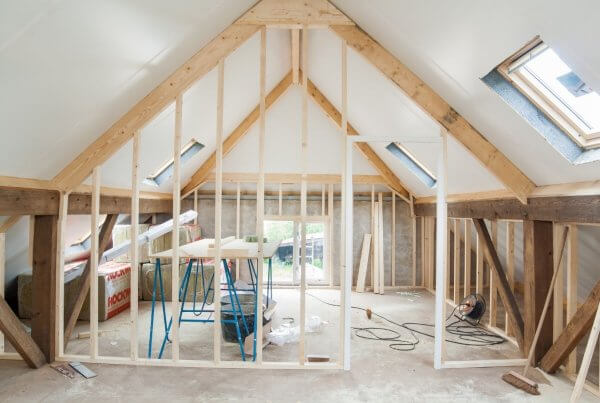

Renovation timelines have a funny way of looking simple on paper and then turning into a full personality test once the work begins. One delay leads to another, materials arrive late, and suddenly, a “quick update” starts stretching across the calendar. What most often impacts home renovation timelines is not a single dramatic problem. It is a series of smaller decisions, delays, and surprises that pile up when the project is already in motion.
The Scope Can Shift Faster Than Expected
If the project scope is unclear, the schedule usually gets messy in a hurry. A bathroom remodel that turns into moving plumbing, a kitchen update that suddenly includes electrical work, or flooring that reveals damage underneath can all add more time than expected. That is why clear planning matters so much at the start.
It also helps to be realistic about how quickly choices change once demolition begins. A lot of projects look simple until the walls open up and the house starts sharing its secrets.
Permits and Approvals Can Slow Things Down
Permits are another major reason renovation timelines stretch out. Not every project needs one, but many do, and waiting too long to sort that out can throw off the whole schedule. That is especially true with home improvements that require a permit, since approvals, inspections, and local requirements can all affect when the work can actually move forward.
It may not be the most exciting part of a remodel, but handling paperwork early can save a lot of frustration later. Boring? Maybe. Helpful? Very much yes.
Materials and Deliveries
A renovation can only move as fast as the materials allow. If the tile is backordered, the windows are delayed, or the vanity has apparently gone on a mysterious journey across the country, the timeline takes a hit.
It does not matter how ready the crew is if the key pieces are still somewhere between a warehouse and a shipping update that says “pending.” The more custom the material, the more likely it is to need extra time.
Structural Work Adds More Moving Parts
Projects tend to slow down when the work goes beyond surface-level updates and starts affecting the structure of the space. Once excavation, support work, or deeper site prep is involved, the schedule often becomes more layered. For example, using heavy equipment or augers in housing construction may be necessary when foundation-related work, structural supports, or other early-stage building needs affect how the job gets done.
That kind of work is important, but it also brings more coordination, more equipment, and more chances for the timeline to shift.
A Strong Plan
What usually impacts home renovation timelines the most is proper planning. Having a clear scope, early permit research, timely material orders, and realistic expectations all help keep the project moving. Renovations will always come with a few surprises because houses love to be dramatic. Still, the better the planning is up front, the easier it is to keep the timeline from becoming a much longer story than anyone intended.