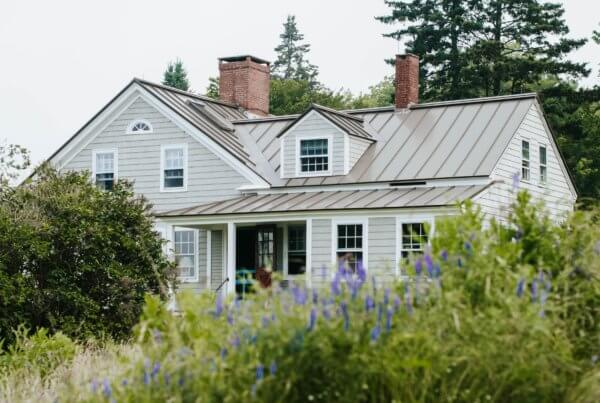

Custom homes rarely follow predictable rules. Angled walls, specialty materials, oversized windows, and one-of-a-kind layouts give your home personality. They also create complexity when you want to renovate. Projects that look simple on paper often reveal structural quirks behind the drywall, catching even seasoned homeowners off guard.
If you’re planning a remodel, you need a strategy. Here are some common renovation challenges in custom-built homes to look out for.
Unique Architecture Often Contains Surprises
Custom-built homes often include unconventional framing, nonstandard window openings, specialty trim, and bespoke millwork. Builders may have crafted features on-site instead of using modular components. That craftsmanship looks stunning, but it complicates replacements and upgrades.
Replacing windows in a custom home, for example, requires more than measuring and ordering. Professionals must evaluate load paths, insulation gaps, and exterior finishes before making cuts. Professionals must plan window installation for unique homes by considering layout, structure, and energy performance.
When you renovate a custom home, assume that every opening, beam, and surface may require tailored solutions, so budget time and contingency funds accordingly.
Matching Materials Takes Effort
High-end homes often feature imported tile, custom cabinetry, or discontinued stone. If you plan to expand a kitchen or refinish a bathroom, finding exact matches may be challenging.
Contractors sometimes need to source reclaimed materials, fabricate custom pieces, or redesign adjacent areas to maintain visual harmony. This work increases labor time and cost, yet it preserves the architectural integrity that drew you to the home initially. Expect lead times. Specialty materials rarely arrive quickly, and rush orders carry premium pricing.
Mechanical Systems May Limit Layout Changes
Custom homes sometimes include complex HVAC zoning, radiant heating, integrated audio systems, or advanced lighting controls. You must rework those systems carefully when you move walls or reconfigure rooms to maintain functionality.
A basement remodel involves careful attention to moisture control, ceiling height, egress requirements, and mechanical access. Considering these factorsbefore you remodel your basement helps you anticipate these challenges before committing to major structural changes. Skipping that planning step risks costly revisions mid-project.
Permits and Structural Reviews Matter
Upscale custom homes often sit in communities with strict design guidelines. Municipalities may require detailed engineering plans before approving alterations, especially when structural elements change or exterior aesthetics shift.
Bring in experienced contractors early. Engineers, architects, and specialty trades prevent expensive missteps that derail timelines. Their input protects your investment and your project schedule.
Planning Makes All the Difference
The beauty of a custom home lies in its individuality. That same individuality demands thoughtful renovation planning. As you navigate the inevitable twists and turns, keep these renovation challenges in custom-built homes in perspective. With the right professionals, realistic expectations, and careful preparation, you can upgrade your space while preserving the character that makes it uniquely yours.