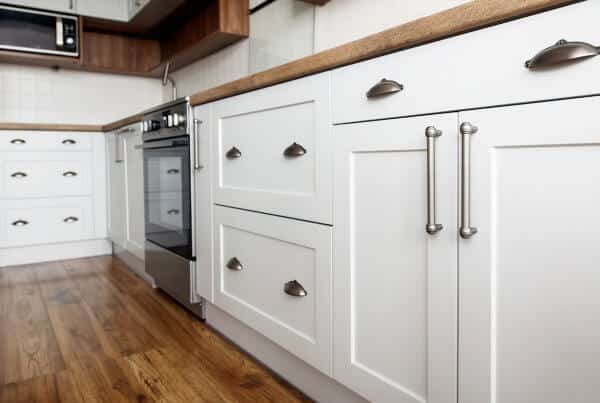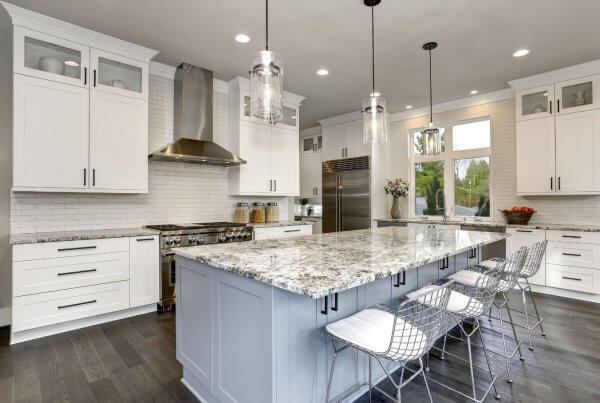

In today’s kitchen design landscape, Material Texture in Modern Kitchen Design has become just as important as color and layout. While sleek finishes and minimalist aesthetics once dominated the conversation, homeowners and designers are now embracing materials that add depth, character, and a more tactile experience. From cabinetry to flooring, the thoughtful use of texture can transform a kitchen from purely functional into a visually engaging and inviting space.
Why Texture Matters in Kitchen Spaces
Texture influences how a kitchen feels, not just how it looks. Smooth, glossy surfaces can create a clean and modern appearance, but they can also feel sterile if overused. Introducing textured materials helps balance the space by adding warmth and visual contrast. This is particularly important in kitchens, where hard surfaces like stone, metal, and glass are common.
Natural textures, such as wood grain and handcrafted tiles, can soften the overall design. They create subtle variations in light reflection and surface detail, making the space feel more dynamic. Even small textural changes, like matte cabinet finishes or brushed metal fixtures, can significantly impact the overall atmosphere.
Layering Textures for Visual Depth
One of the most effective ways to incorporate texture into a kitchen is through layering. This involves combining multiple materials that complement each other without overwhelming the design. For example, pairing smooth quartz countertops with textured tile backsplashes or rustic wood shelving can create a balanced and cohesive look.
Flooring is another key area where texture plays a major role. While durability and maintenance are essential considerations, the surface feel and visual movement of the flooring can anchor the entire kitchen design. Materials with slight irregularities or handcrafted qualities can add authenticity and interest. For instance, knowing how to incorporating artisanal tile can introduce both texture and heritage into the space.
Balancing Texture with Functionality
While texture enhances visual appeal, it must also align with the practical needs of a kitchen. Surfaces should be easy to clean and durable enough to handle daily use. The key is to find materials that offer both tactile interest and functionality.
Textured tiles can provide slip resistance for flooring, while matte finishes on cabinets can reduce the appearance of fingerprints. Similarly, honed or leathered stone countertops offer a softer look compared to polished surfaces while maintaining durability.
Design inspiration can also play a role in choosing the right balance of materials. Looking at evolving styles can help homeowners understand how different textures work together in real-world spaces without sacrificing usability.
Creating a Cohesive Design
Achieving a cohesive look requires careful consideration of how different textures interact. Consistency in color palette and material tone helps unify the design, even when multiple textures are present. Neutral tones often serve as a foundation, allowing textured elements to stand out without clashing.
Lighting also plays a crucial role. Natural and artificial light can enhance or diminish the appearance of texture. Under-cabinet lighting, for example, can highlight the surface details of a backsplash, while natural light can bring out the depth in flooring materials.
Know How to Enhance Your Kitchen
Ultimately, Material Texture in Modern Kitchen Design is a powerful tool that adds dimension, warmth, and personality. When used thoughtfully, it turns a functional space into one that feels both stylish and lived-in.